How a covert far-right-aligned ad campaign delivered more than half a billion recorded exposures of racist, anti-Muslim, anti-migrant and anti-Qatar propaganda across Europe, Lebanon and the United States between 2023 and 2026
Influence operations are notoriously difficult to cost. But by any measure, this one was enormous. Enormous in scale, but also enormously racist. Based on Meta's own data, by July 2024 it ranked among the largest covert influence operations the company had disrupted, alongside campaigns attributed to state actors. It was certainly the most costly to target the EU. It had already targeted more than 20 countries and spent more than $1.2 million on Meta advertising alone. But that was only what Meta had documented up to July 2024. The operation is still going, spreading across other platforms and through advertising infrastructure in multiple countries. Recorded exposures to the campaign already total over half a billion. The identity of the ultimate client remains unknown, although there are some indicators...
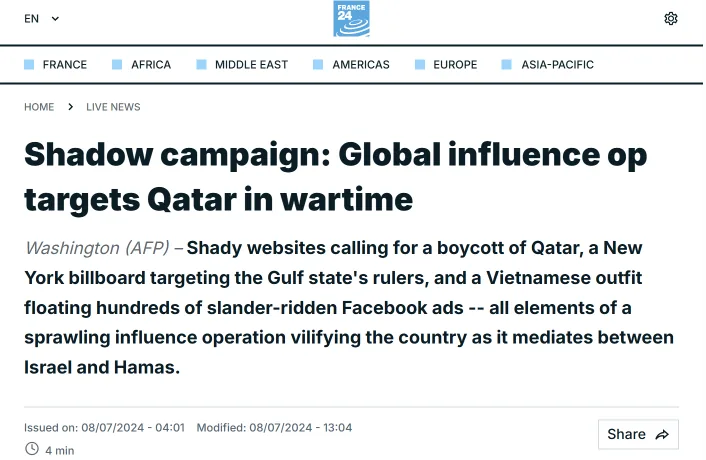
In July 2024, Marc Owen Jones and Sohan Dsouza, published an investigation into a massive anti-Muslim, anti-immigrant and anti-Qatar campaign running mostly through Meta ads. It targeted over 20 countries, including the United States, the UK, Germany, France, Lebanon, India, Saudi Arabia, Sweden, Belgium, Italy - to name but a few. The campaign also had another dimension that targeted Lebanon. Jones and Dsouza provided details of the investigation to Anuj Chopra, who published an accompanying piece with AFP detailing contacts with key figures of the campaign. The investigation was published before Meta released its own report on the operation. Meta's report omitted perhaps the most important dimensions of the campaign, that it was virulently xenophobic, and Islamophobic. It promoted the Great Replacement theory.
What follows is a story of what is perhaps one of the biggest digital influence and disinformation operations ever documented
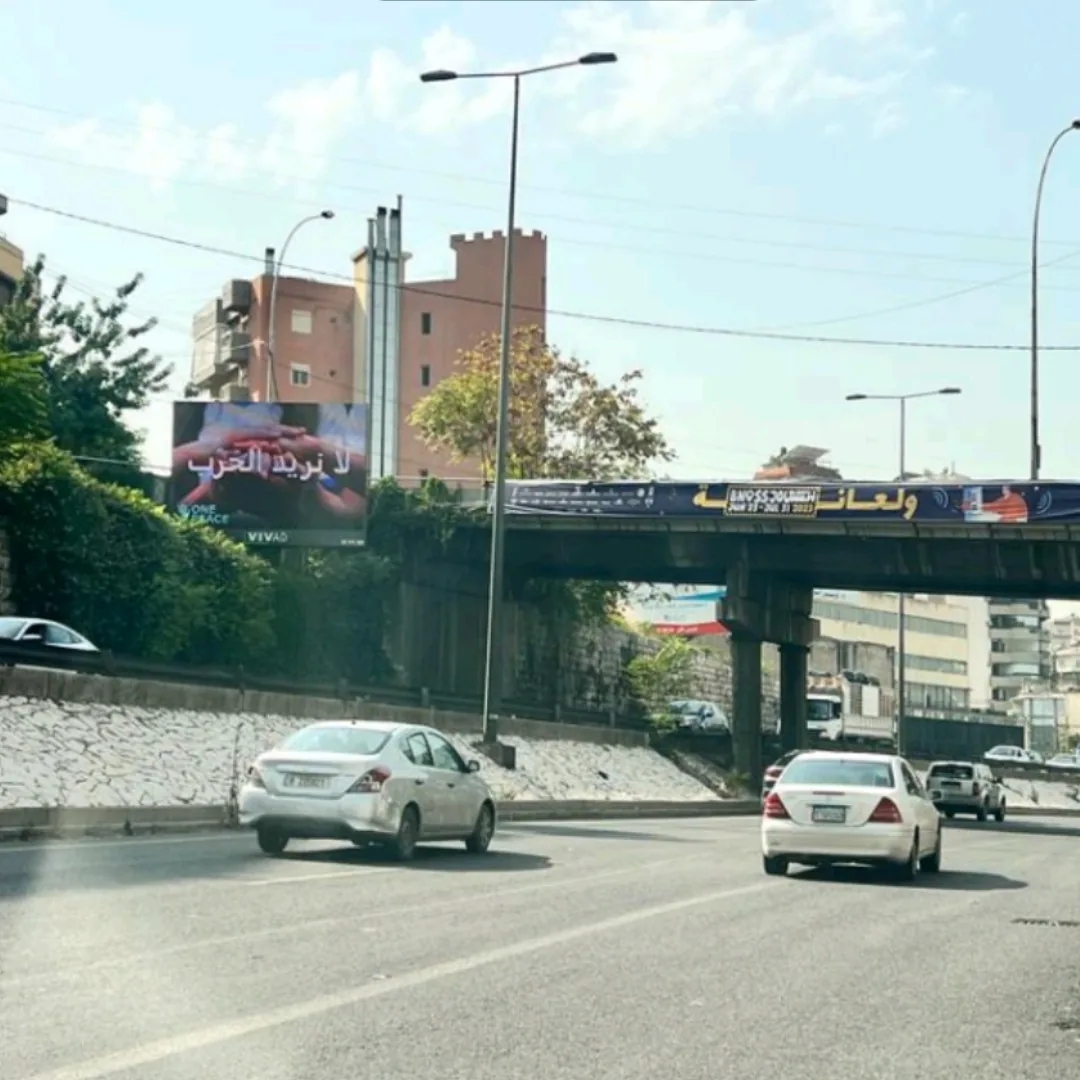
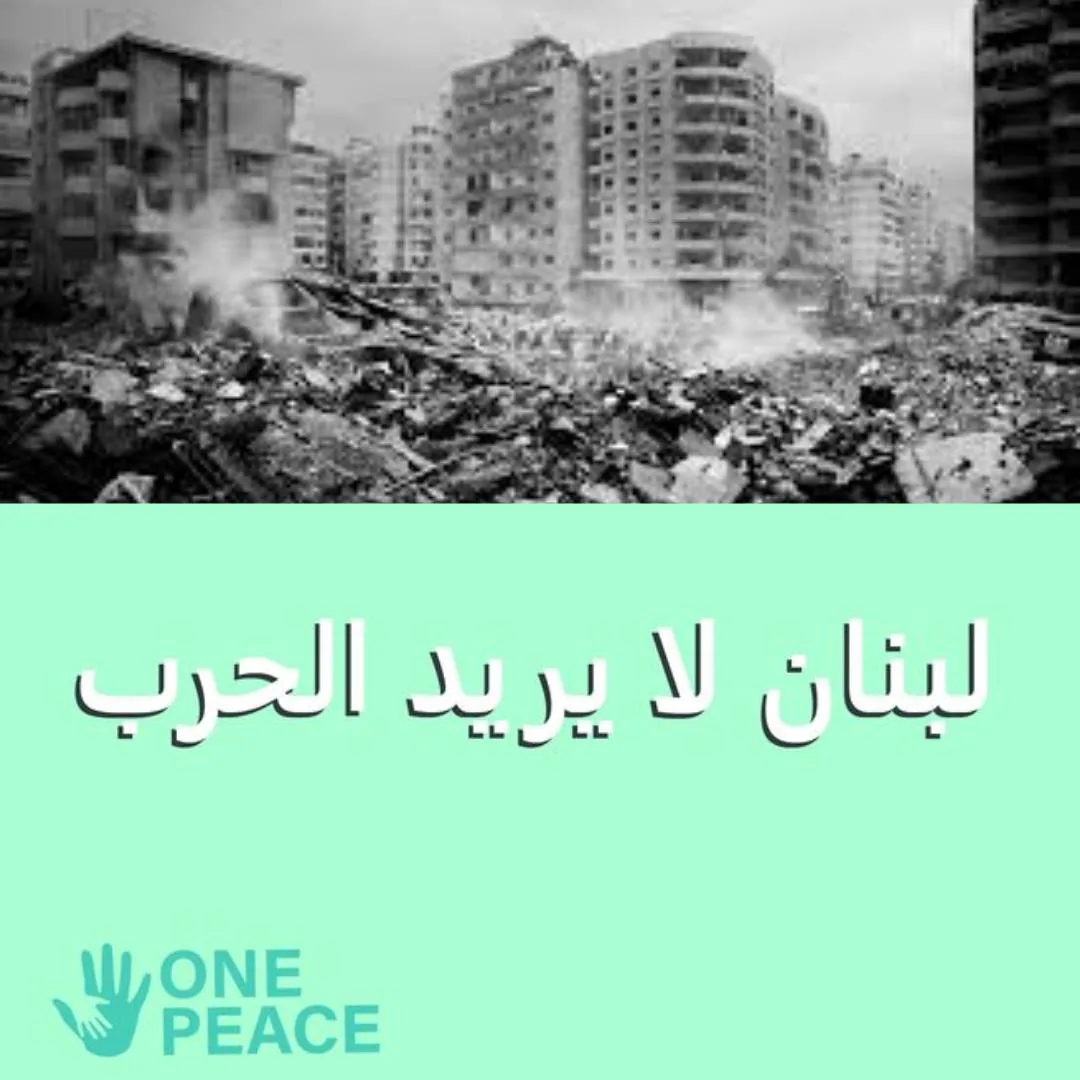
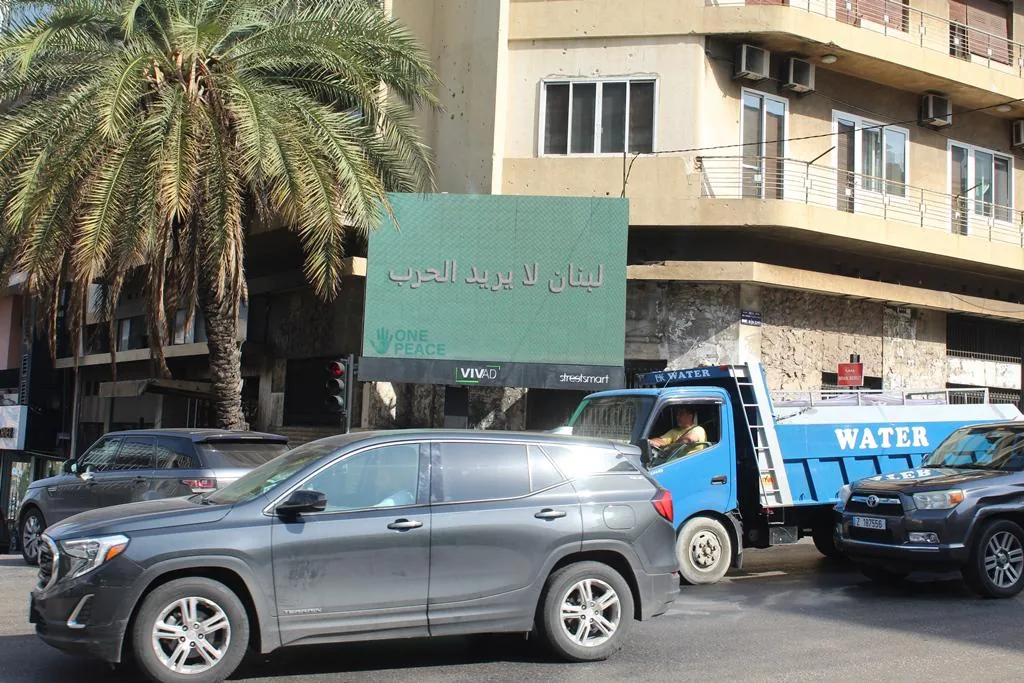
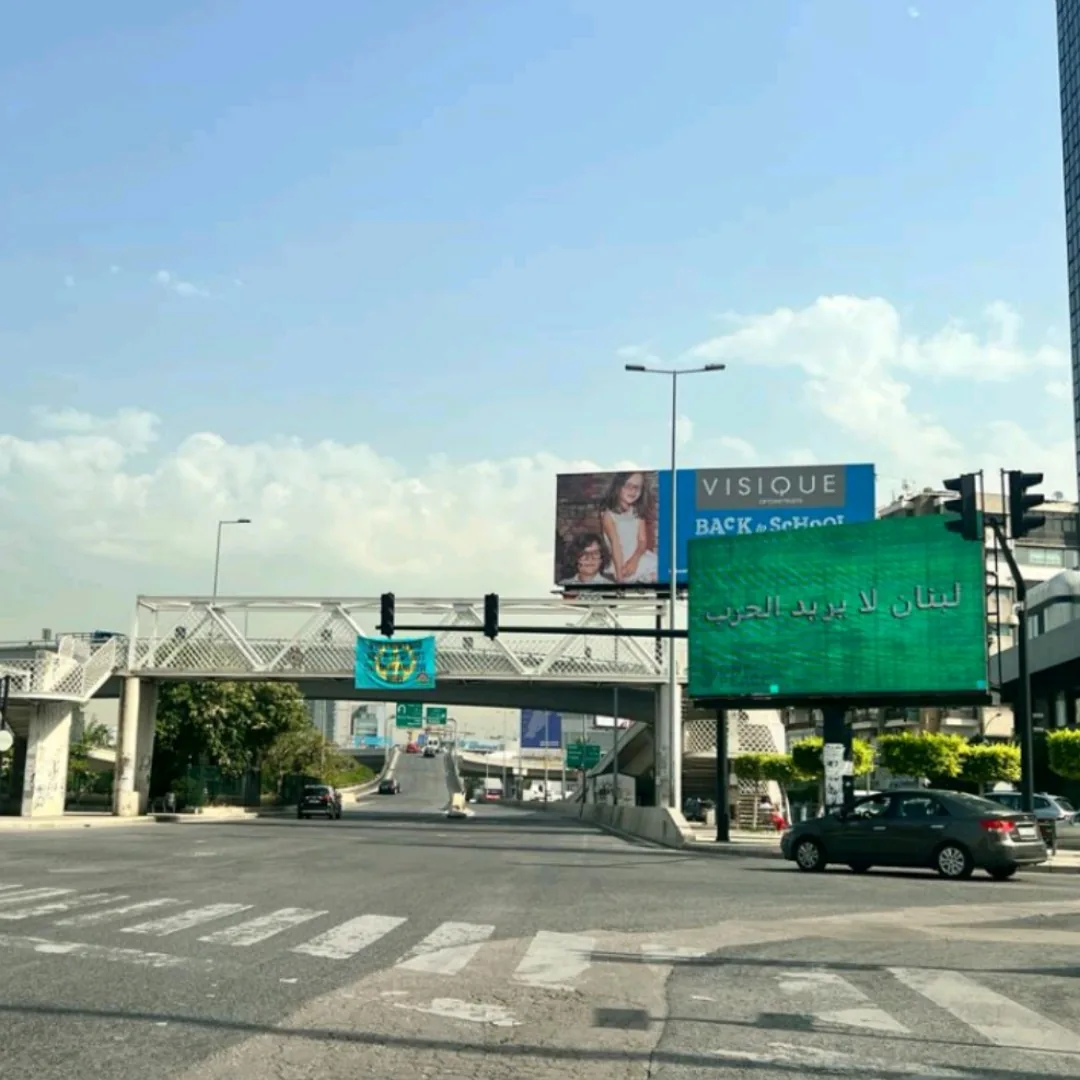
In October 2023, Billboards began popping up around Lebanon with the slogan 'Lebanon does not want war". Many of them were sponsored by a non-existent front entity called 'One Peace Global'.
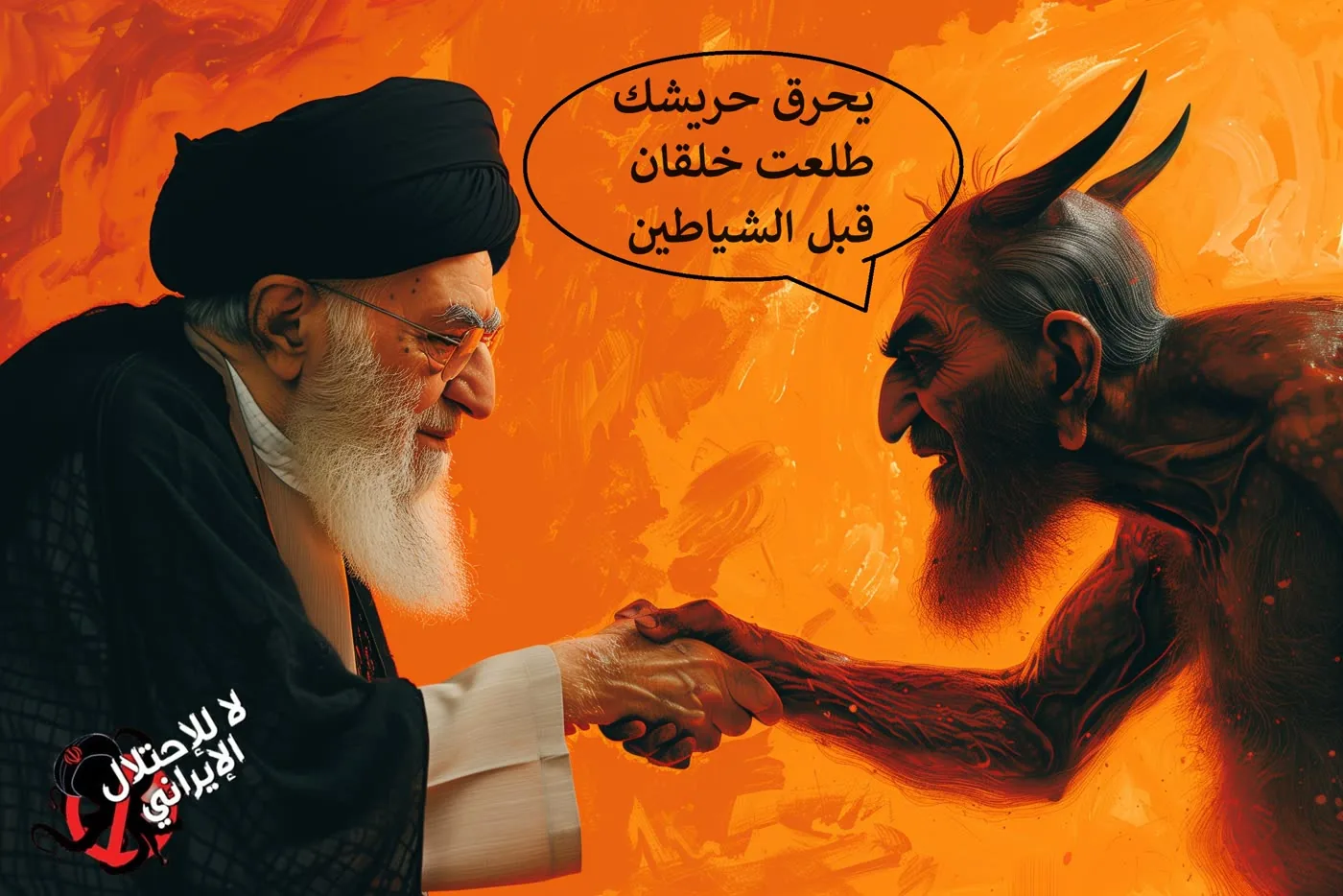
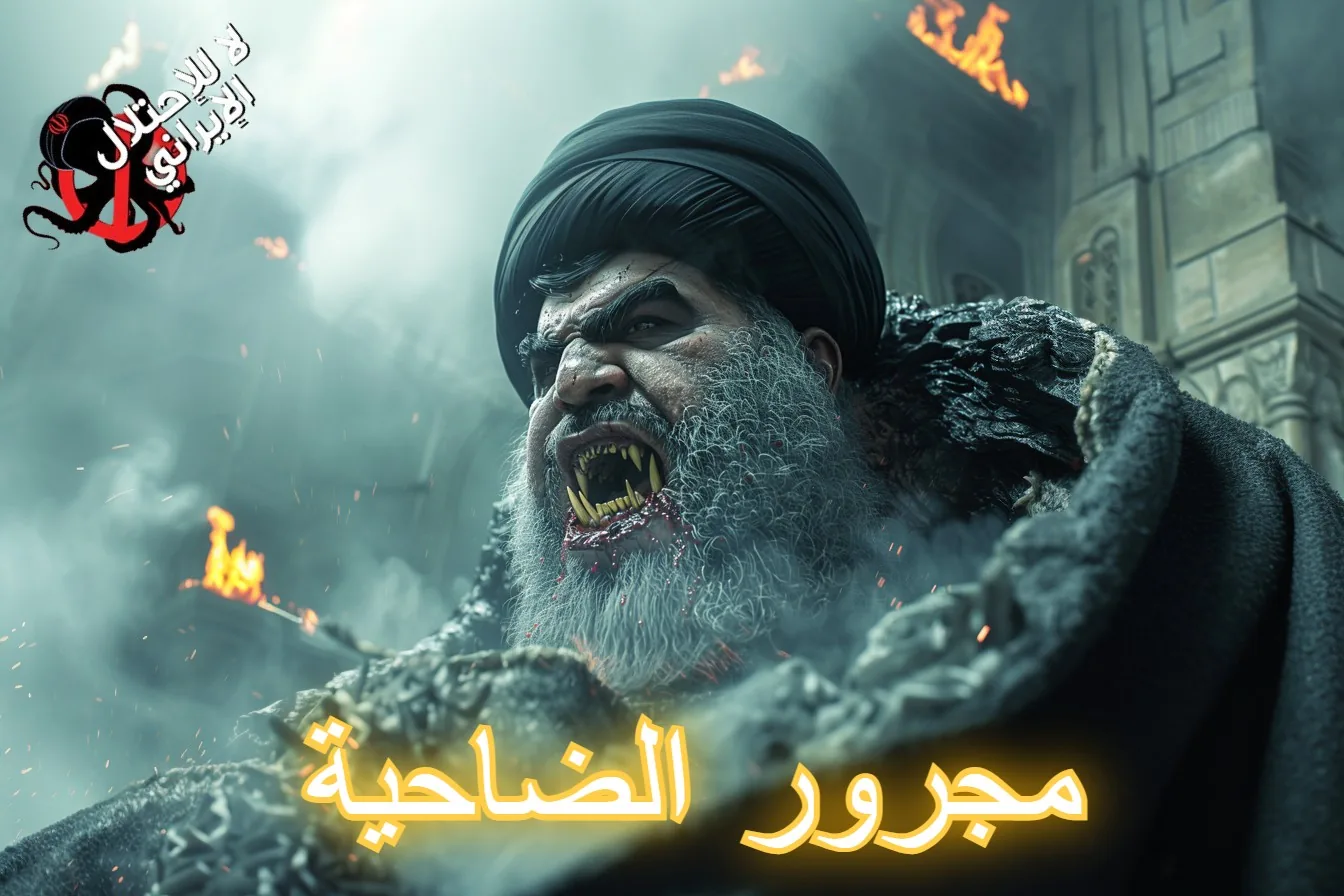
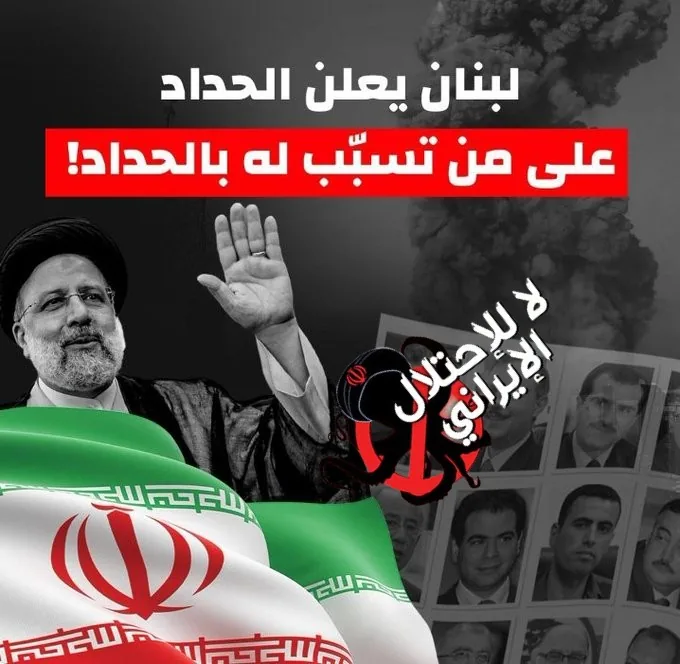
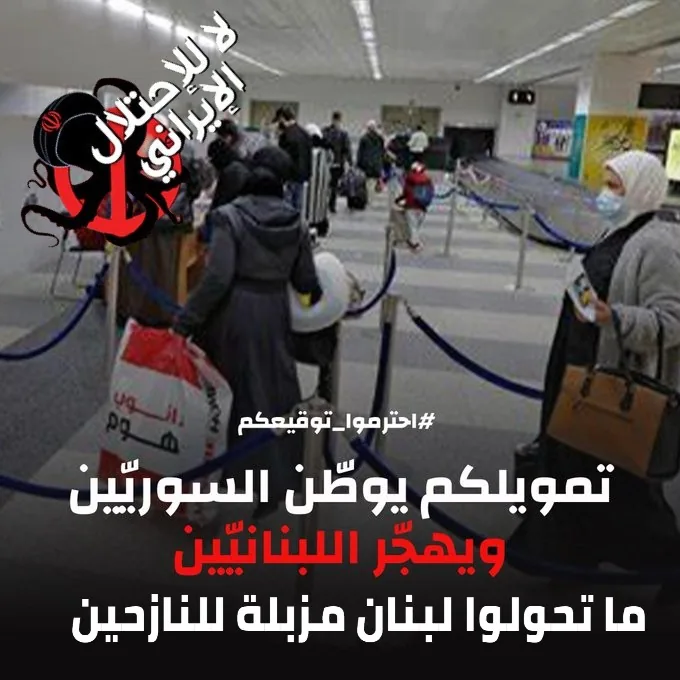
Meanwhile, accounts on X, TikTok, YouTube, Telegram and Facebook — with names including لا للإحتلال الإيراني (“No to the Iranian Occupation”), الشيعة ضد الحرب (“Shia Against the War”) and حرب ٢٠٠٦ تنذكر وما تنعاد (“Remember the 2006 War — Don’t Let It Happen Again”) — were pushing another message in Lebanon. They blamed Iran and Hezbollah for the war and accused them of dragging Lebanon into the conflict. Regardless of one's views on Hezbollah, Israel was conspicuously absent from the story.
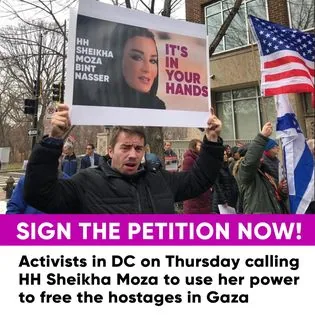
Then, after an initial run targeting ICRC President Mirjana Spoljaric Egger, paid Facebook ads started to appear across Europe targeting Sheikha Moza, the mother of Qatar’s Emir. They called on her to use her supposed influence to secure the release of Israeli hostages held in Gaza. This happened at the same time Israel's influence industry were planning an operation to smear Qatar in order to pressure Hamas to release hostages.
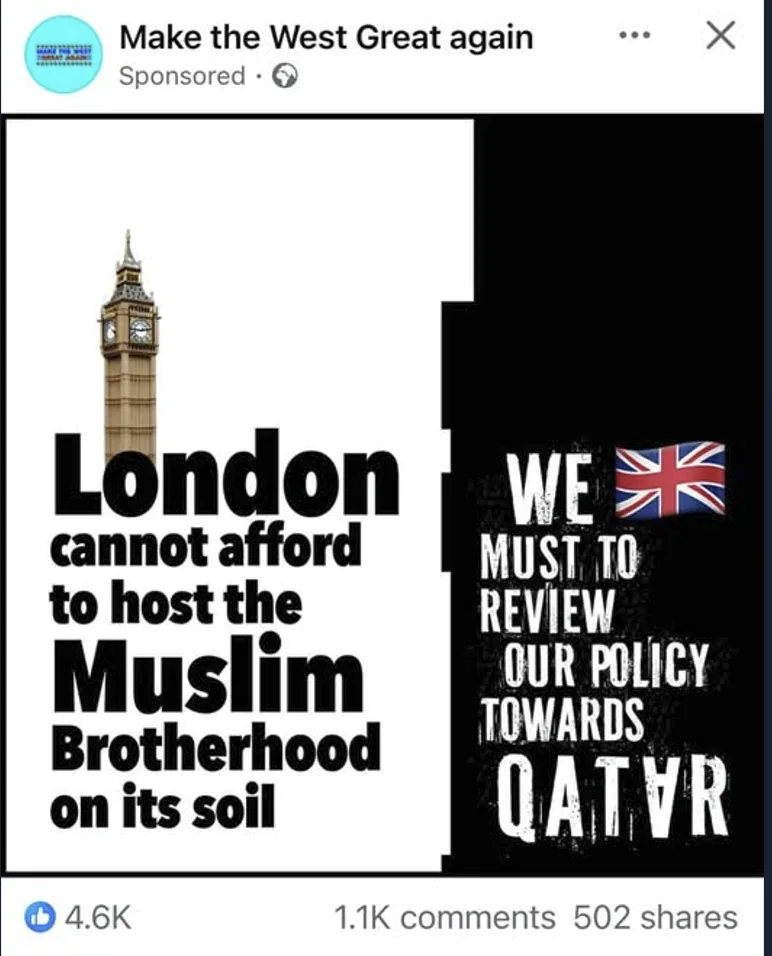
The attacks on Qatar quickly expanded. Soon the paid web and Facebook ads were calling for boycotts of some of the country's most recognisable investments and companies: PSG, Harrods and Qatar Airways. The campaign was trying to make Qatar toxic, in Europe and the United States, at a time when they were mediating between Hamas and Israel.
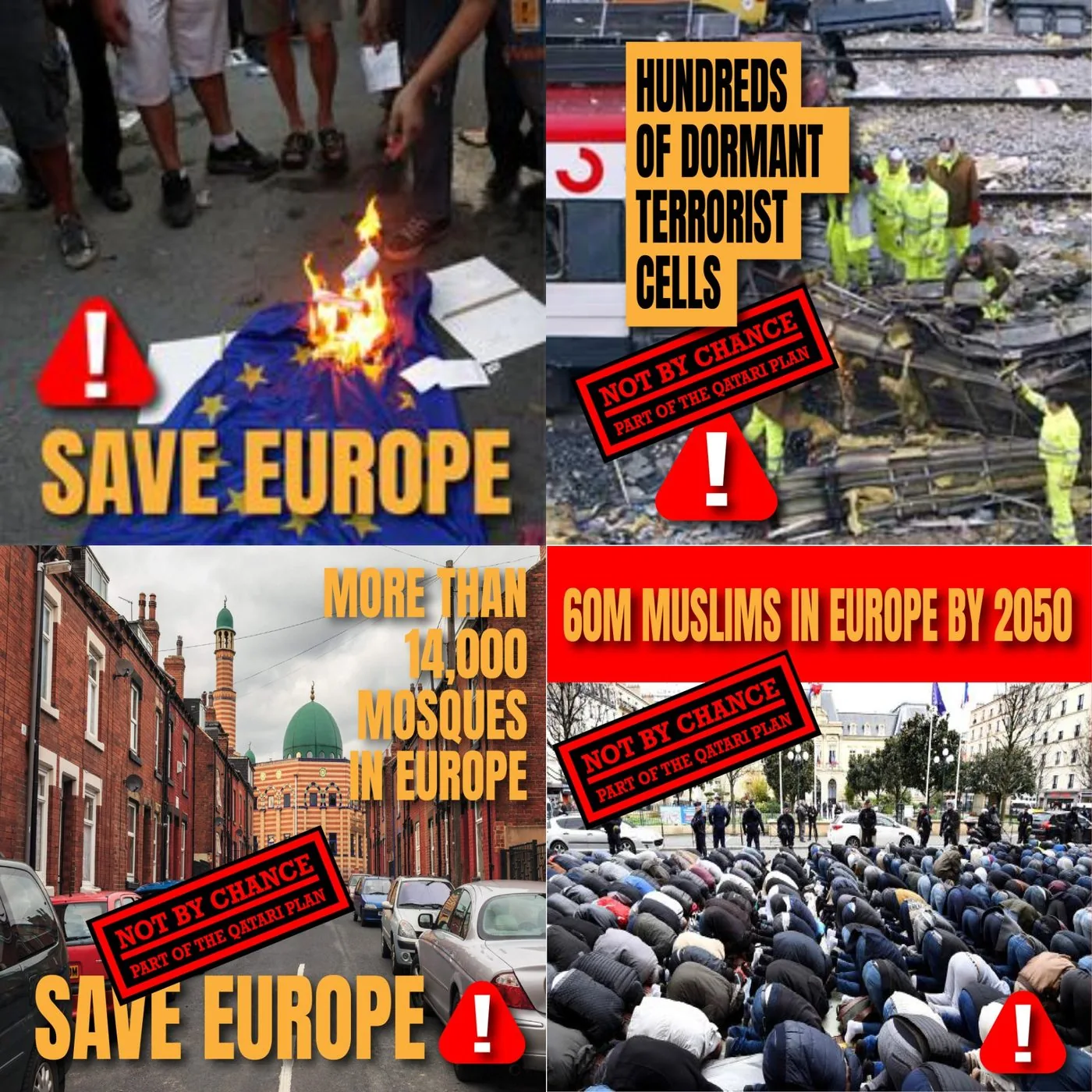
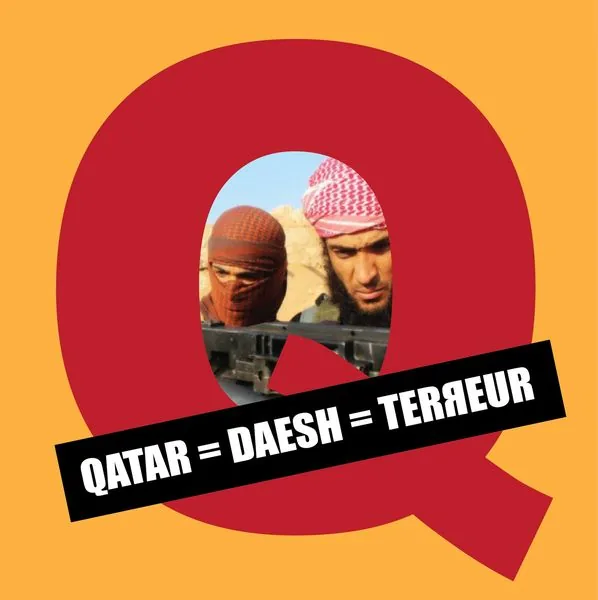
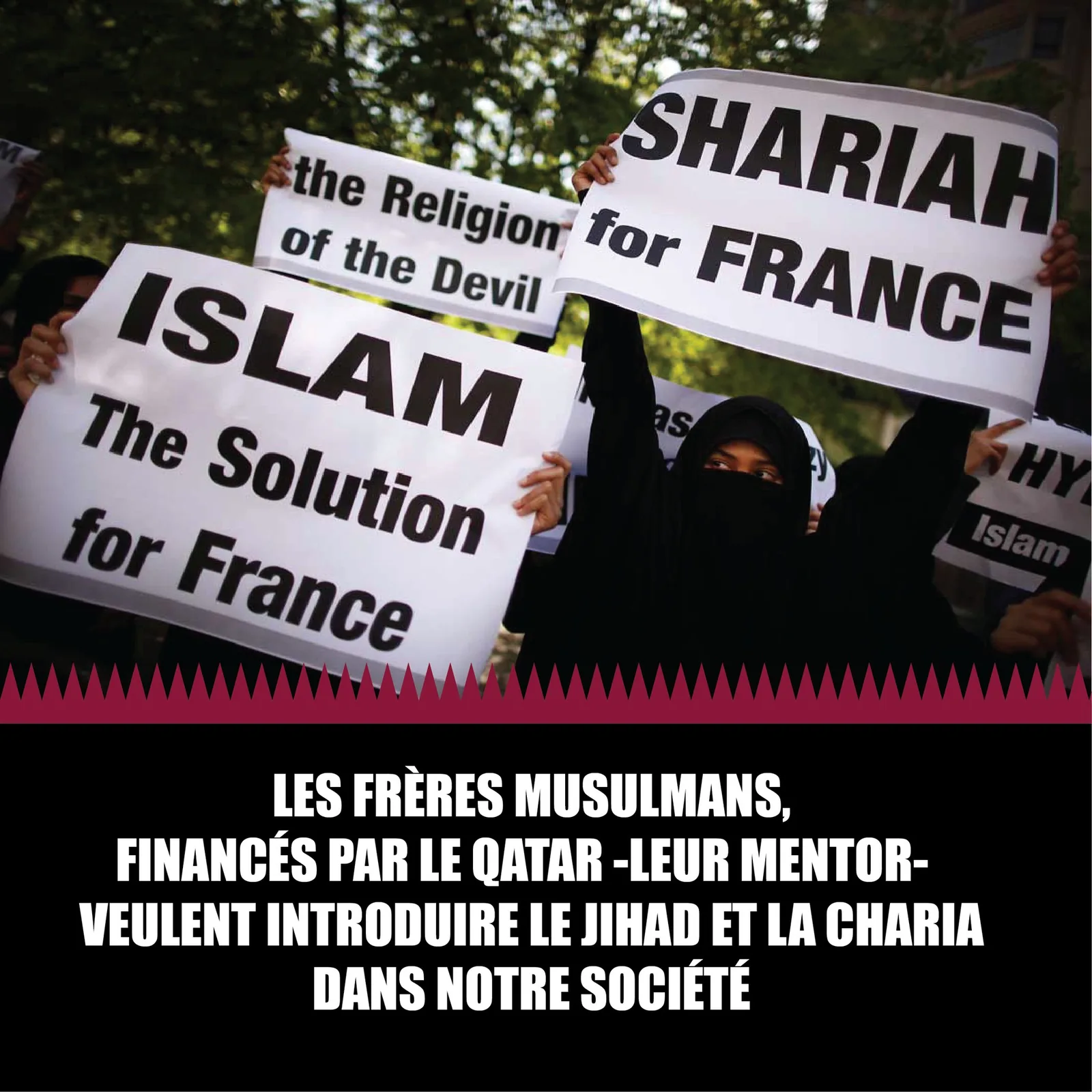
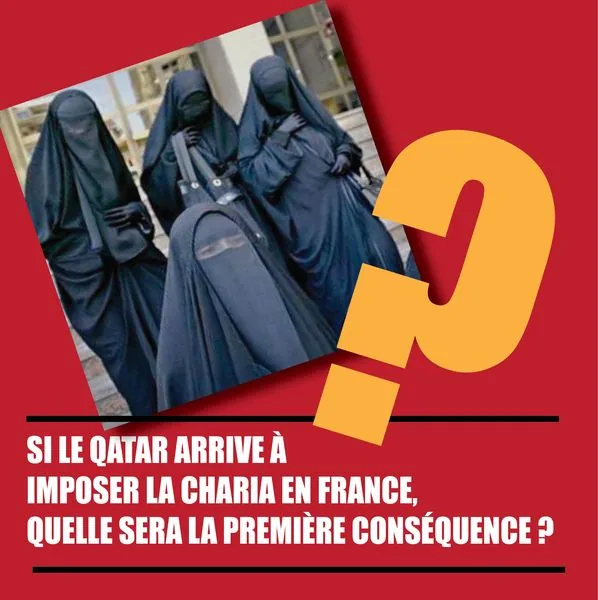
Then the rhetoric took a more sinister turn. Ads began warning that Qatar was “Islamising” Europe. Muslims, immigration to Europe and Qatar were increasingly bundled together as part of the same supposed threat. Slogans like 'Invade, Influence, Islamicize' were used. The narrative closely resembled the “Great Replacement” conspiracy theory: the idea that white European populations are being deliberately replaced by non-white, often Muslim, immigrants. But here Qatar was cast in the role that far-right variants of the conspiracy have often assigned to figures such as George Soros in similar antisemitic conspiracy theories: the hidden financier and architect of demographic replacement
The campaign names were bizarre. Examples included 'Qonspiracy', 'Qataracte', 'Qatarsis', 'Made in Qatar ', 'The Rotten Emir', and 'Doha Dirt'. Each had its own branding and social media presence, as though dozens of tiny anti-Qatar groups had suddenly sprung into existence organically. This was astroturfing, designed to give the illusion of widespread organic sentinment.
Some ads went much further than memes and short videos. A number of channels produced multi-part video “documentaries” about alleged Qatari scandals, complete with narration, graphics and dramatic editing. Others, like "Cities' Stories" did profiles of how European cities or neighbourhoods like Malmo, Bradford, La Gouette d'Or were being Islamised. These were then chopped up and pushed across social media, reaching millions.
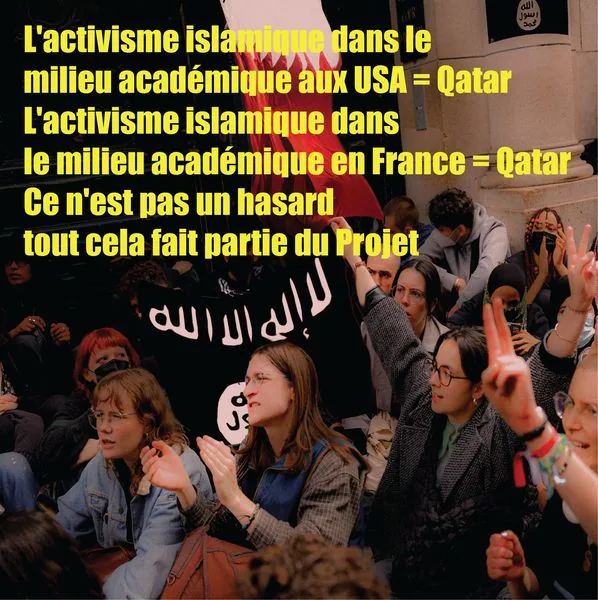
Some pages looked like tabloids. Others resembled activist groups, campaign organisations or investigative outlets. Many also opportunistically pushed the narrative that antisemitism at American Universities was being pushed by Qatar.
The campaign moved across Facebook, Instagram, TikTok, Wikipedia, YouTube and X. Telegram channels appeared too. New accounts and brands kept popping up, while the same material sometimes was cross posted. Some of the campaigns had names like the 'Plot vs Europe', heavily leaning into conspiratorial theme of the Islamisation of Europe.
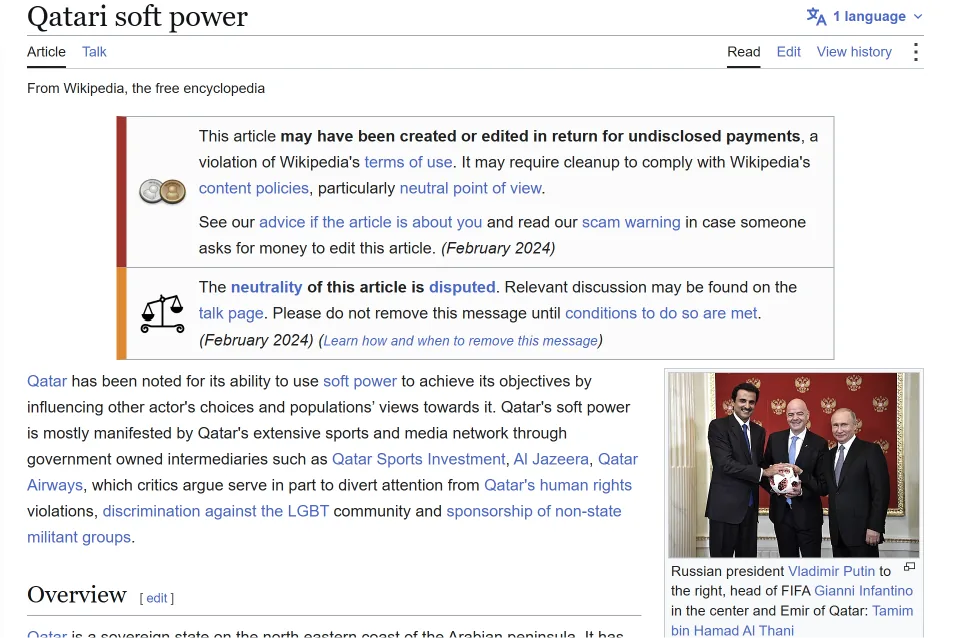
Websites belonging to the campaign like shameqatar.com were used to vandalise Wikipedia by suspicious looking accounts. A sockpuppet network connected to the campaign even managed to create wikipedia page called "Qatari Soft Power".
The same slogans began appearing at demonstrations. People were photographed holding banners carrying campaign branding and messages. The online campaign was starting to acquire a physical presence in DC and Paris.
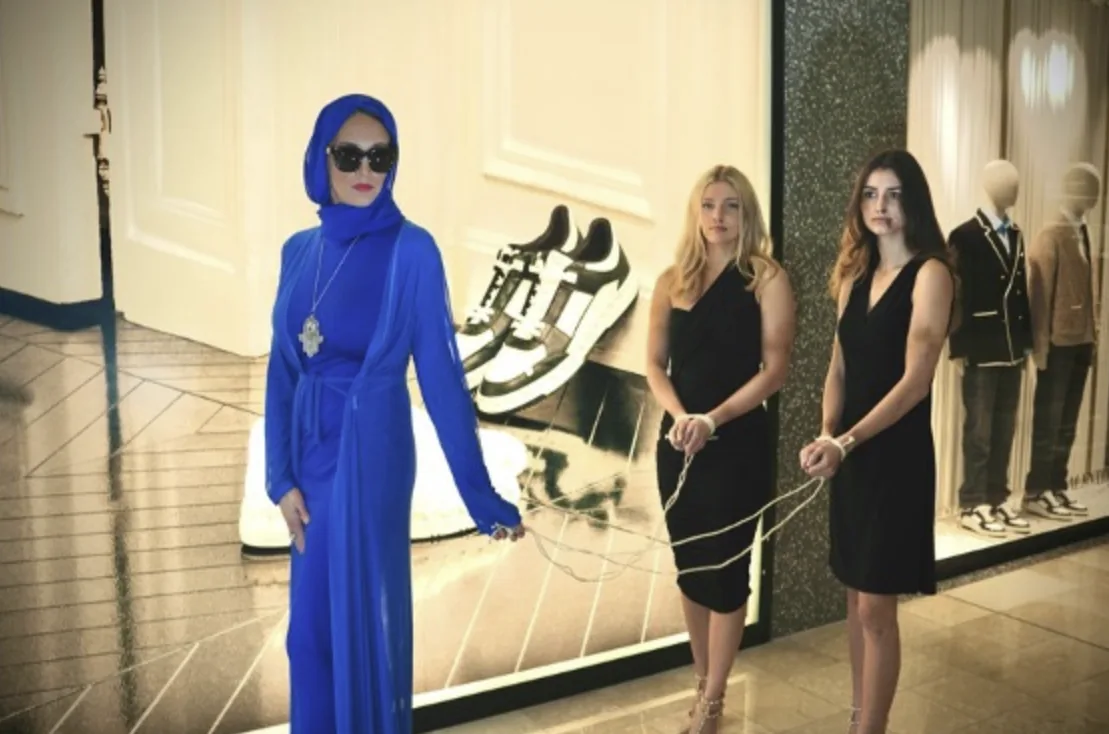
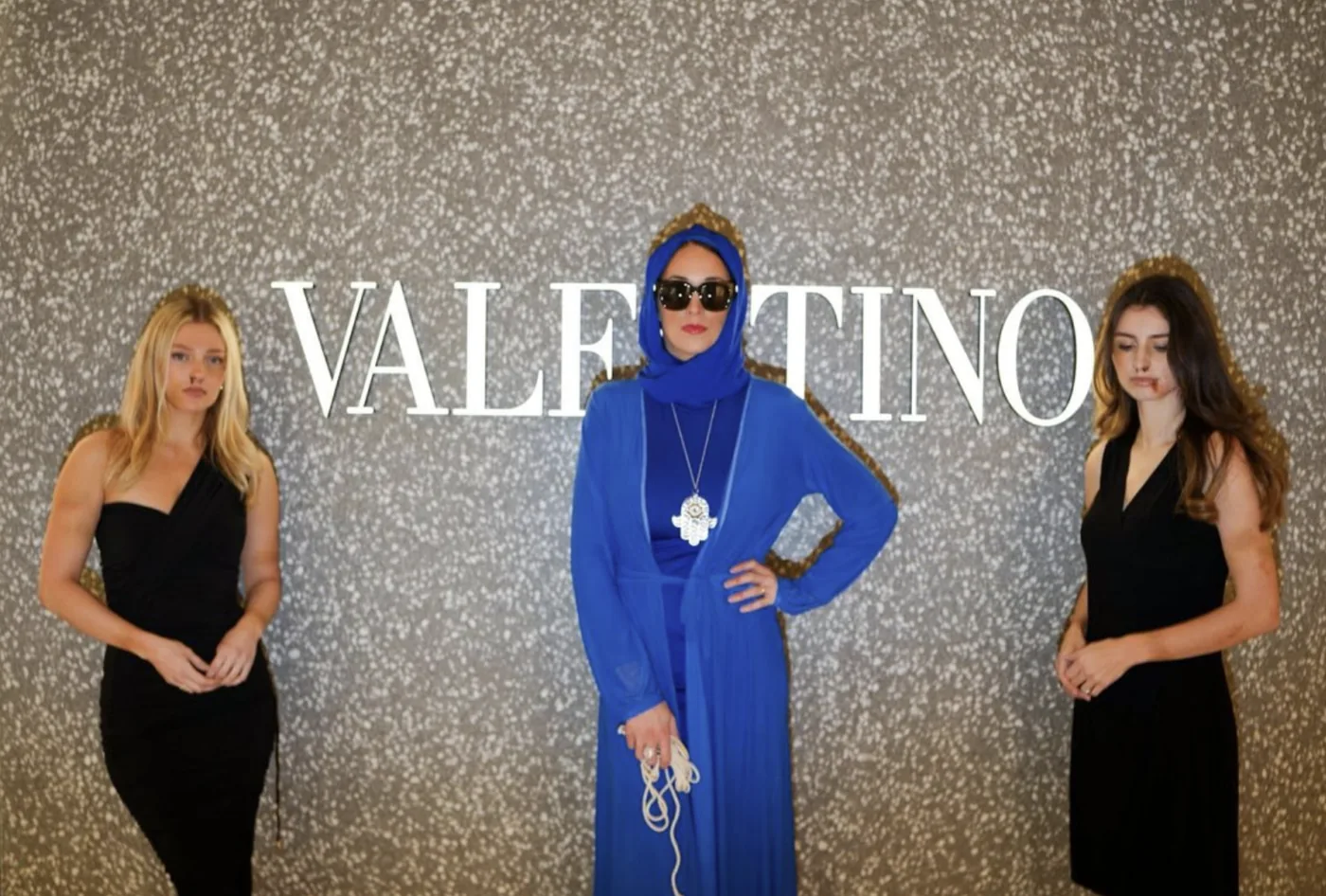
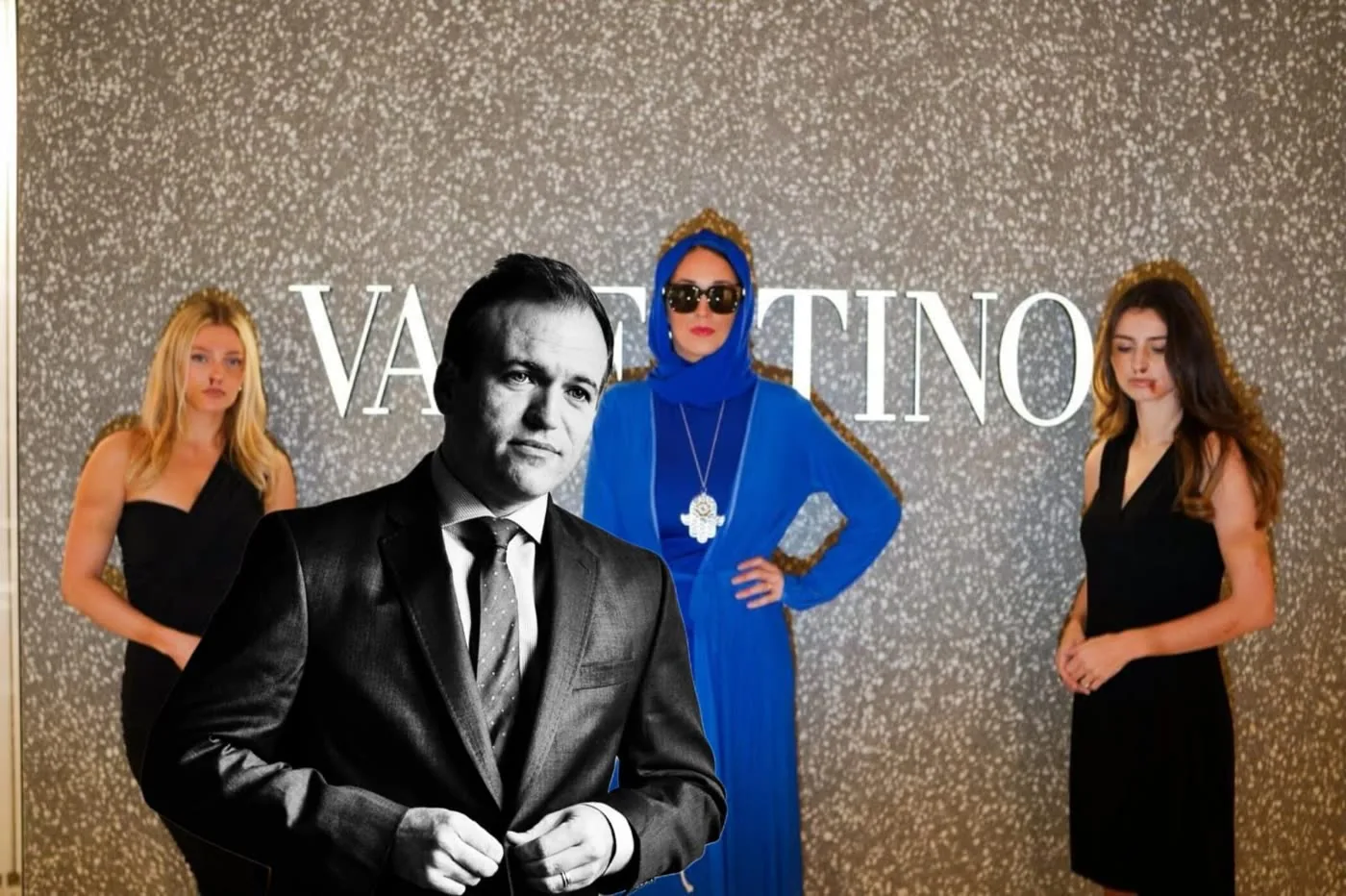
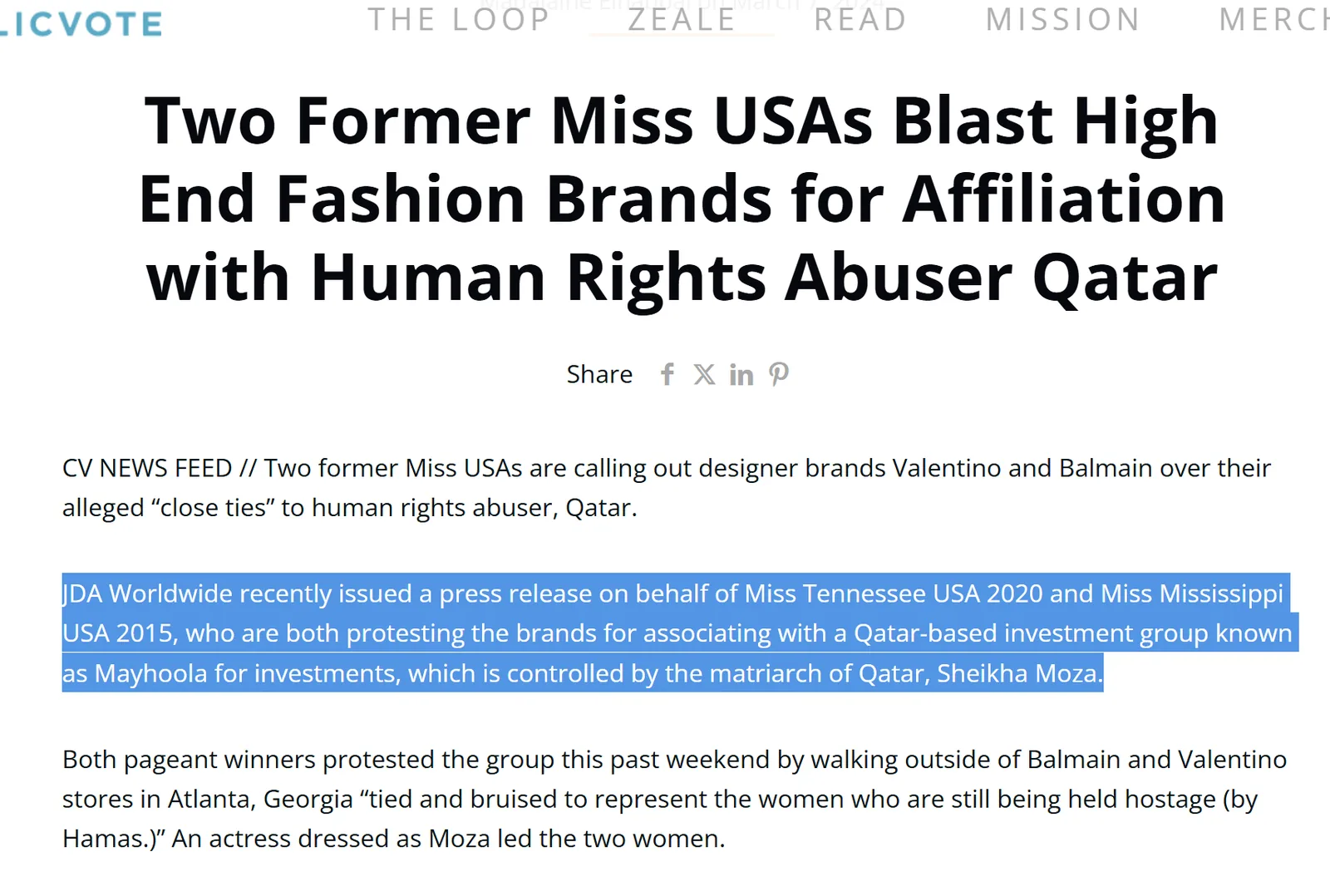
Some of these protests were stranger than others. In one case, former US beauty pageant winners from Mississippi and Tennessee staged a demonstration inside an Atlanta-based shopping mall carrying campaign signs. The event was filmed, turned into social media content and circulated online.
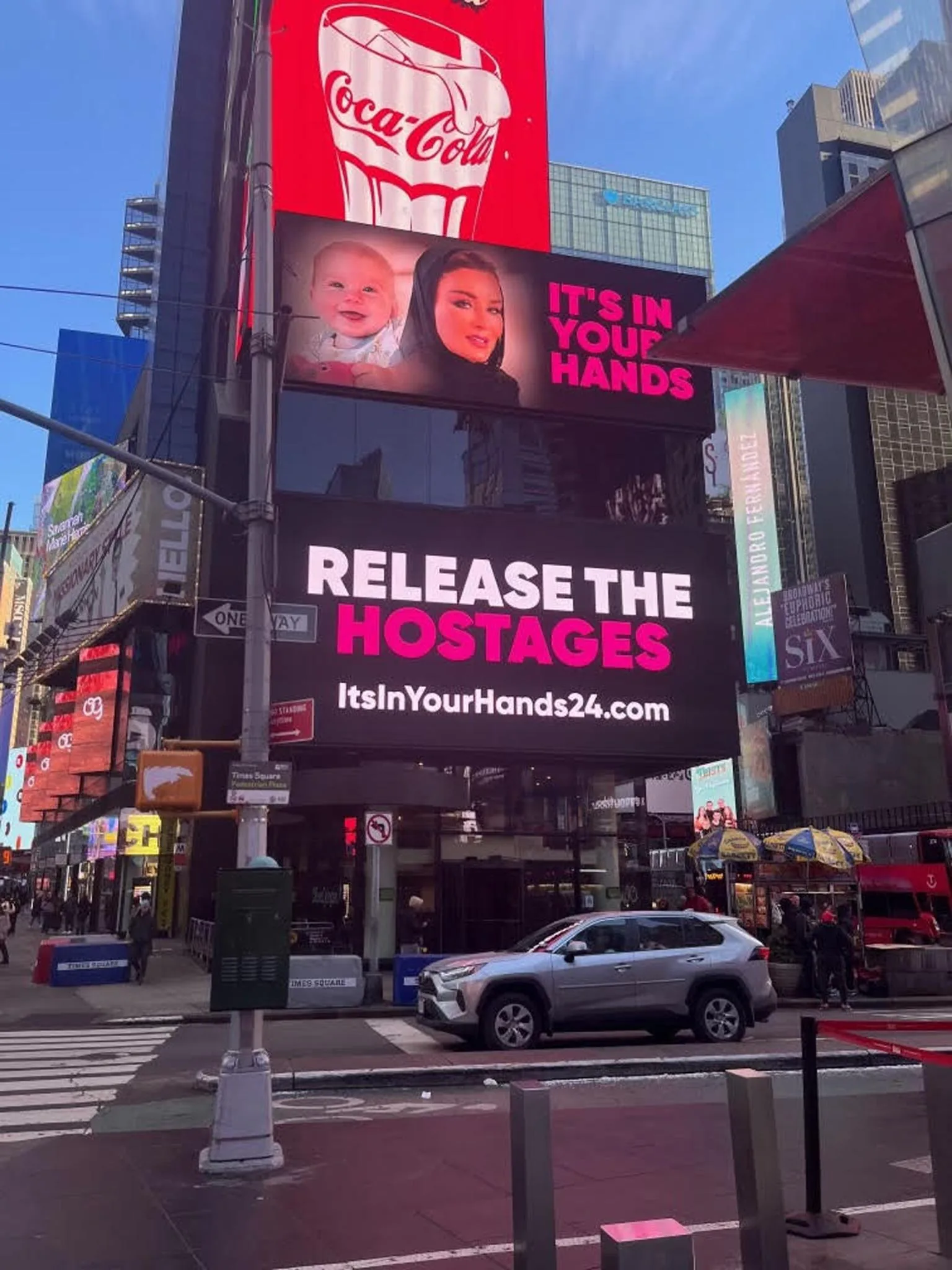
Then an anti-Qatar ad appeared in Times Square. Something that had largely existed on social media was now playing on one of the world's most famous advertising screens. Whoever was behind this was spending serious money.
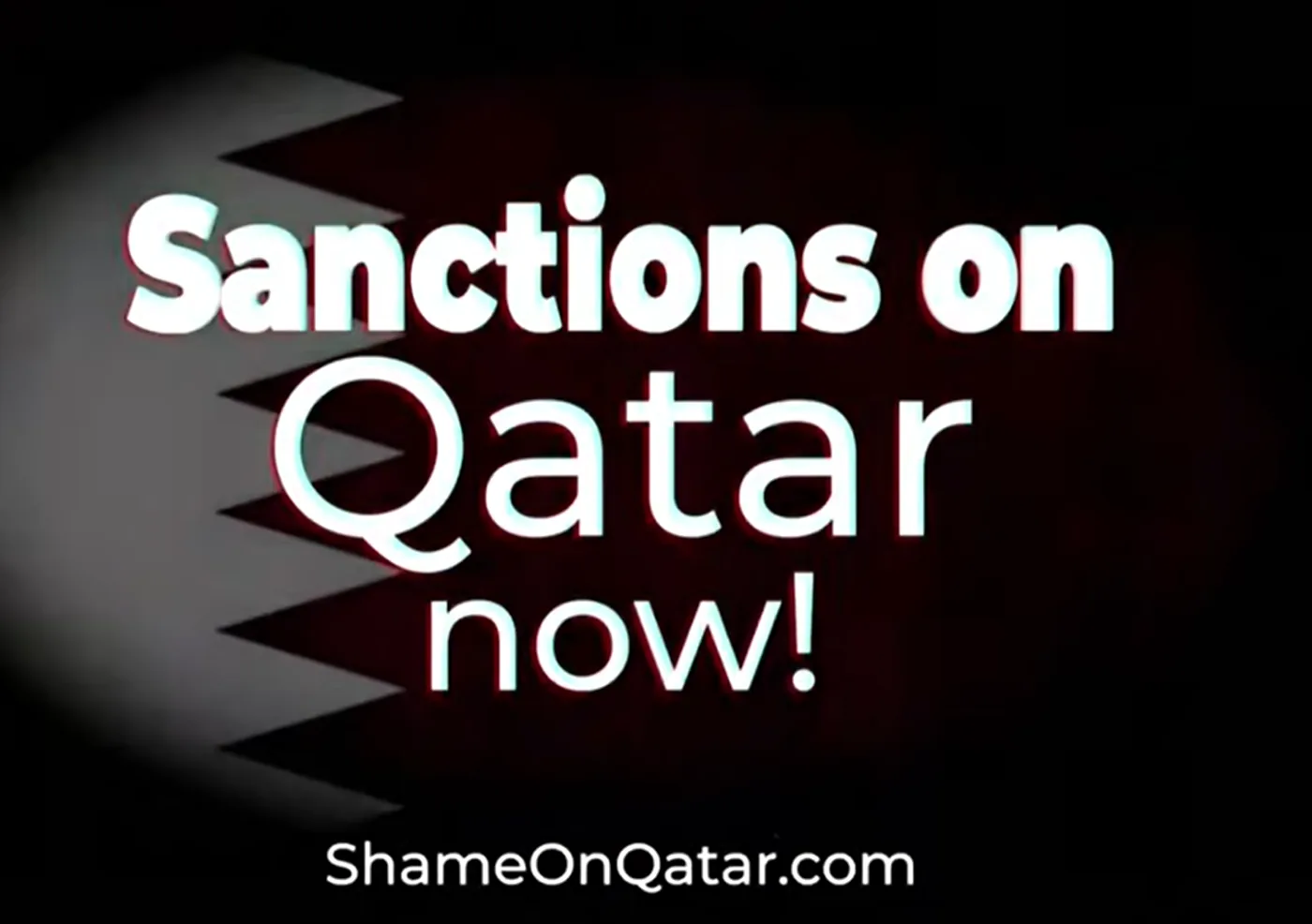
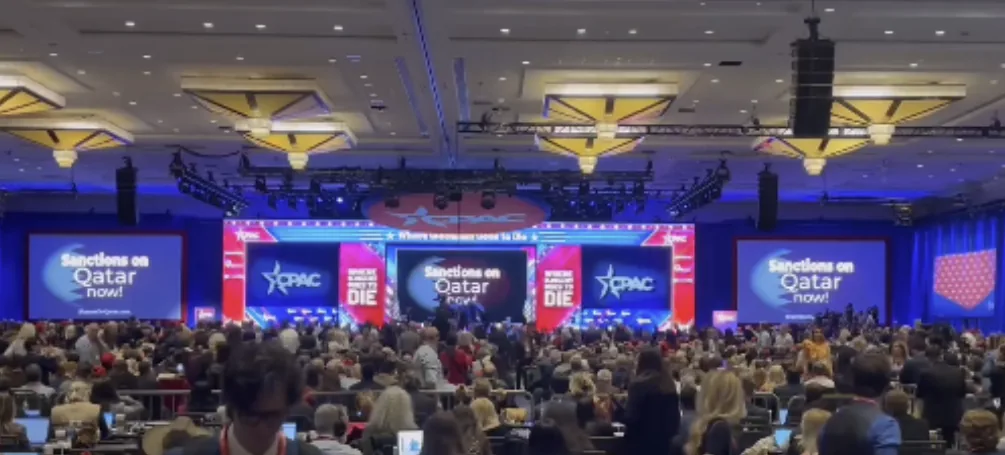
At CPAC 2024, a video from ShameQatar was shown shortly before Donald Trump took the stage. An anonymous anti-Qatar campaign had somehow found its way into one of the biggest conservative political gatherings in the United States, ahead of a speech by the future US president.
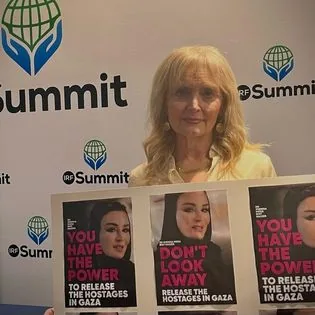
At an interfaith conference in the US, human-rights advocate Katrina Lantos Swett was photographed holding one of the campaign's posters. It was another unexpected place for material from an anonymous advertising operation to turn up.
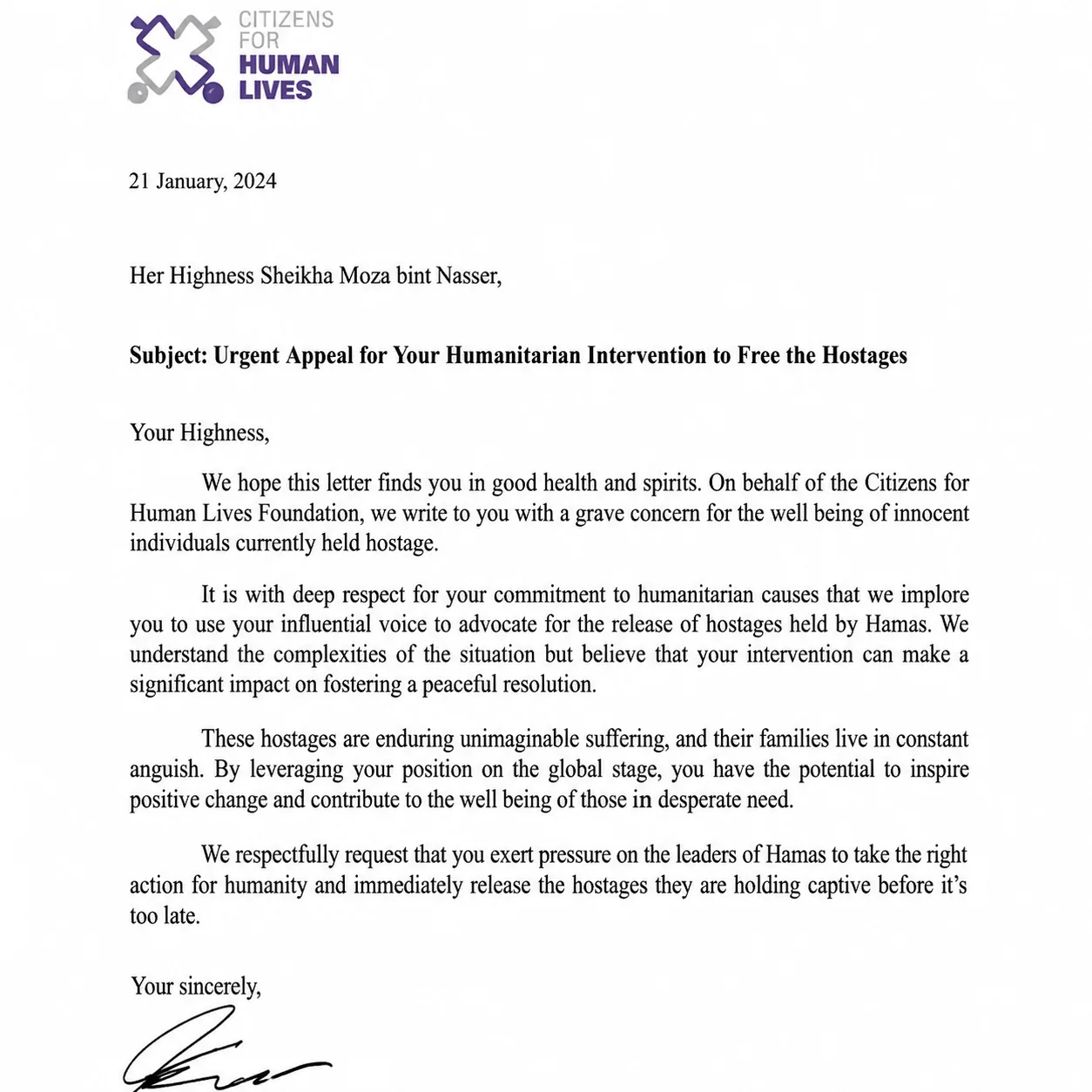
An NGO-style group called “Citizens for Human Lives” also appeared. It circulated a petition calling on people to pressure Sheikha Moza over the Israeli hostages. Signing a petition gave audiences another way to participate in the campaign. Thousands signed the petition.
Then came Eurovision. The campaign produced a parody entry supposedly representing “Qatar”. It was promoted as an ad on TikTok and received more than 1.2 million views. Facebook ads were run targeting Sweden and other countries across Europe in the lead up to Eurovision. These videos were amplified by right-wing accounts like Visegrad24.
The xenophobic, racist and Islamophobic tenor of the campaign accelerated. Qatar was increasingly used as a gateway to attacks on Muslims, Arabs and immigrants. Some ads warned of an Islamic takeover of Europe. Others played directly on fears of migration and demographic change. Meanwhile, the Lebanon campaign was portraying all Lebanon's ills as the result of Hezbollah and Iran.
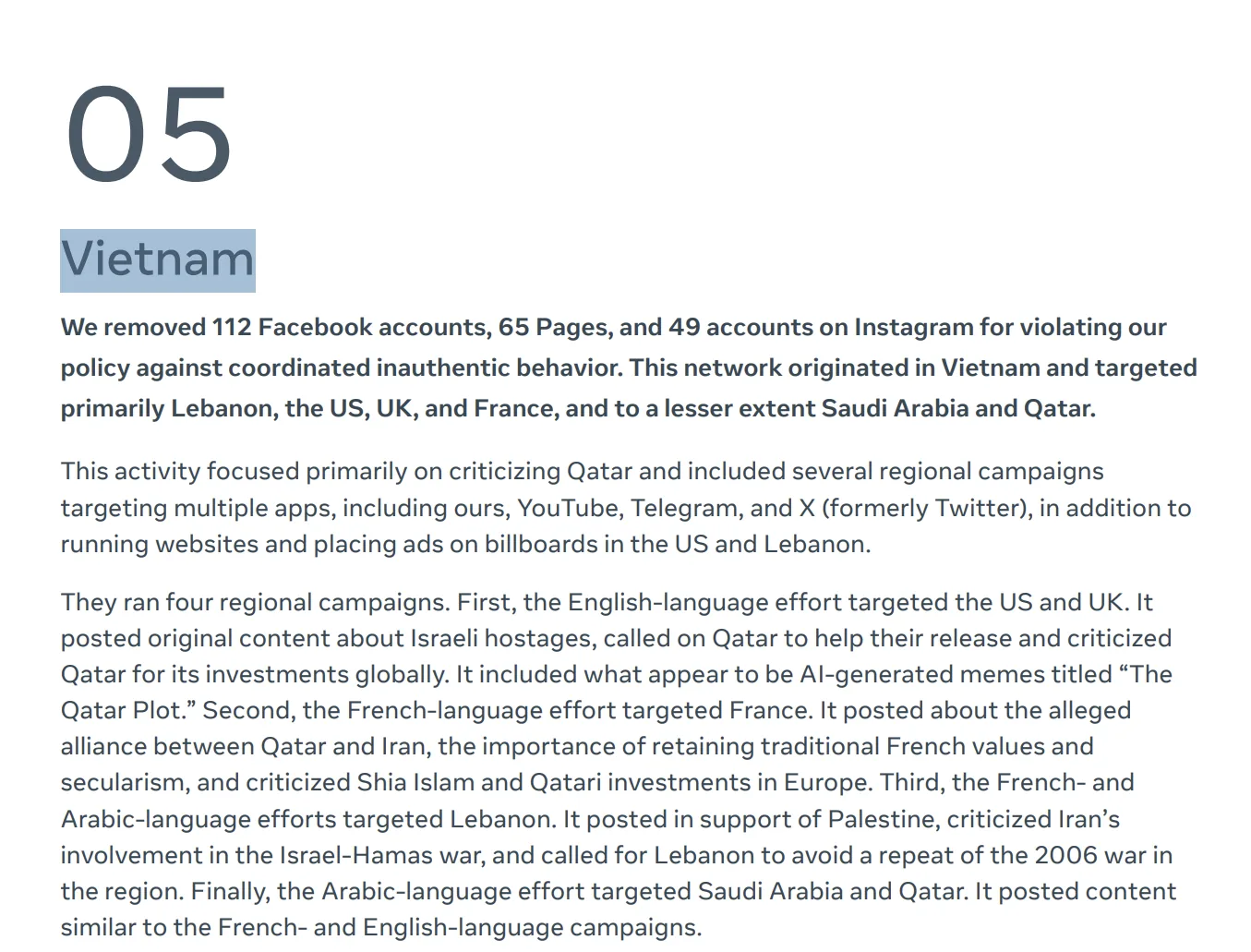
We started pulling the Meta advertising records. Several supposedly separate campaigns led back to the same place: an operator in Vietnam running a social media business called LT Media. Pages that looked unrelated were using the same advertising infrastructure. Using various OSINT methods we found the campaign and infrastructure to be linked. When contacted, the owner of LT Media said he was approached on telegram by an anonymous account, to whom he sold the services. The infrastructure linked the Lebanon and Europe-focused campaigns.
The timing was notable. A large amount of this material was being pushed in Europe in the run-up to major elections, including elections in Britain and France. The xenophobic, racist and Islamophobic tenor of the campaign aligned it with far-right politics.
But one question remained unanswered: who was paying for all of this? We asked, but the answer proved surprisingly difficult to establish. CPAC refused to say who paid for the ad shown at its conference. The advertising company in charge of the TImes Square billboard did not identify its client either. A campaign capable of buying ads across continents remained remarkably opaque about who was funding it.
Katrina Lantos Swett later told AFP that she did not bring the poster herself. She said it was given to her by Johnnie Moore - the evangelical advisor to Trump and soon-to-be President of the Gaza Humanitarian Foundation. For the first time, there was a traceable route between one piece of campaign material and a named figure in international religious and political advocacy circles. A figure connected to both right-wing US and Israeli politics.
We found that Johnnie Moore's PR firm, JDA Worldwide, was also responsible for releasing a press release about the two pageant models who demonstrated against Sheikha Moza outside the Valentino store in a Georgia mall.
After we published our investigation, Meta released its own report on the network. It was remarkably thin. It never addressed the xenophobic or Islamophobic character of the campaign, bizarrely noting only that some of the content criticised Shia Islam. But it did reveal something important: more than $1.2 million had been spent advertising the operation on Meta's platforms. The Meta report also corroborated the link between the Lebanon and Europe-focused dimensions of the campaign
Meta's intervention did not end the operation. It continued on Twitter and Telegram. Meta ads then reappeared in November 2024, before activity appeared to subside again in early 2025. Many of these were calling for the boycott of Qatar's F1 Grand Prix race.
The campaign also published a number of ads imploring The Princess of Wales Kate Middleton to boycott Qatar. This was timed to coincide with Kate Middleton meeting the Emir of Qatar on his visit to the United Kingdom.
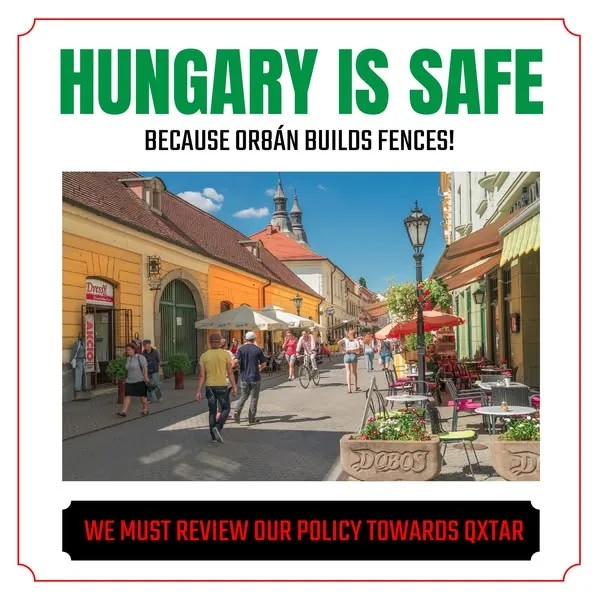
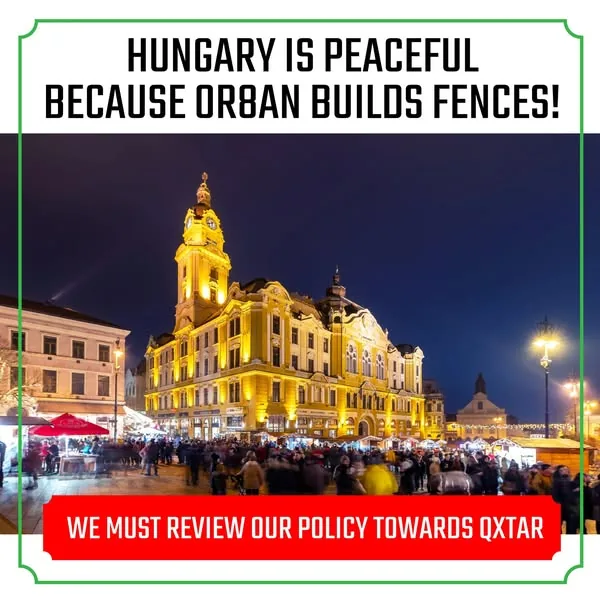
Some of the late 2024 material also praised Viktor Orbán. It sat alongside attacks on immigration and warnings about Islam in Europe. The politics of the campaign were becoming increasingly difficult to separate from those of Europe's far right. Alphanumeric substitution, Leetspeak and misspelling were used as obfuscation techniques to confound the OCR - e.g. QXTAR instead of Qatar.
The new pages had names like “Dominate”, “Invaders”, “He [Orbán] Was Right”, “Dark Age” and “Game Over”. Together, they pushed a picture of Europe being overtaken by Muslims, with Qatar repeatedly presented as one of the forces supposedly driving the transformation.
On Meta, the Europe-focused campaign appeared to go quiet between January and September 2025. Then it started up again with renewed intensity, still using Facebook but increasingly turning to YouTube for views. It included a lesson in 'Islamic terms' people needed to know such as 'lying through your teeth for Allah'. The Lebanon campaign kept running throughout 2025.
Facebook data showed that the recent part of the campaign was predominantly targeting audiences in the UK, Germany, Italy and France. One of the campaigns, 'Qatar's behind this', was one of the operations longest running Youtube channels. This channel posted 62 videos accumulating a total of nearly 58,000,000 views.
A number of the ads focused again on Shaikha Moza again, calling her the godmother of the Muslim Brotherhood. Videos showed her presiding over the destruction and literal burning down of London, Paris and Rome.
Civilizational threats were emphasised. Migration to Europe was framed as a continuation of the Muslim-Byzantine Wars.
The videos also targeted local elections. One claimed that Shahid Butt, a candidate for councillor in Birmingham, was an agent of both the Muslim Brotherhood and Qatar.
One channel was called “Qatari Christmas Is Here”. It used AI-generated songs to suggest that the Islamisation of Europe would mean the end of Christmas. There was even a crude reworking of Mariah Carey's “All I Want for Christmas Is You”, repurposed as “All I Want for Qatar”. Other 'covers' included Last Christmas by Wham. This was primarily targeting France, UK, Germany and Italy.
One deepfake video showed the Emir of Qatar supposedly asking visitors to the Winter Olympics in Italy to avoid eating pork or drinking alcohol near Qatari law-enforcement officials supporting the event.
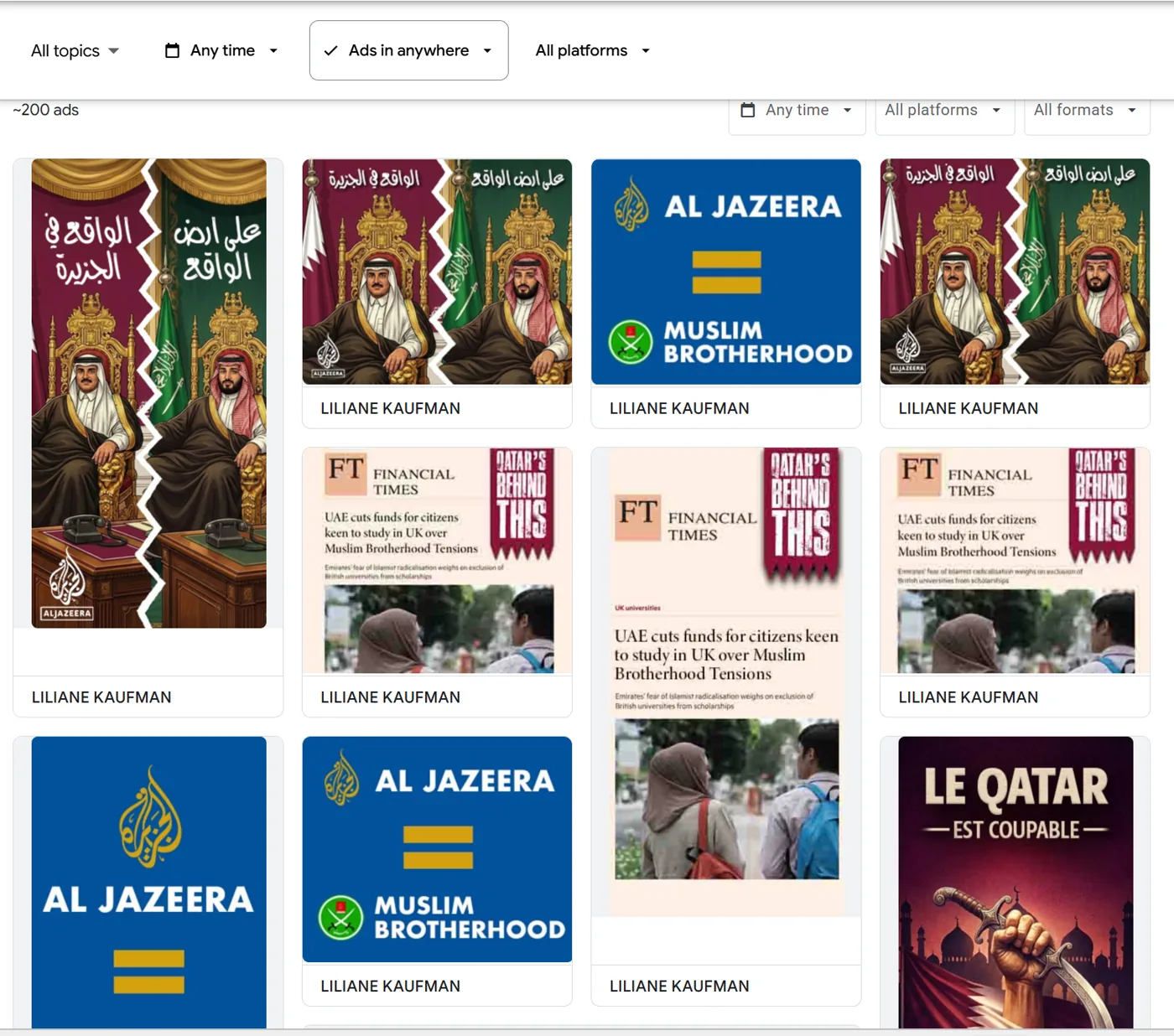
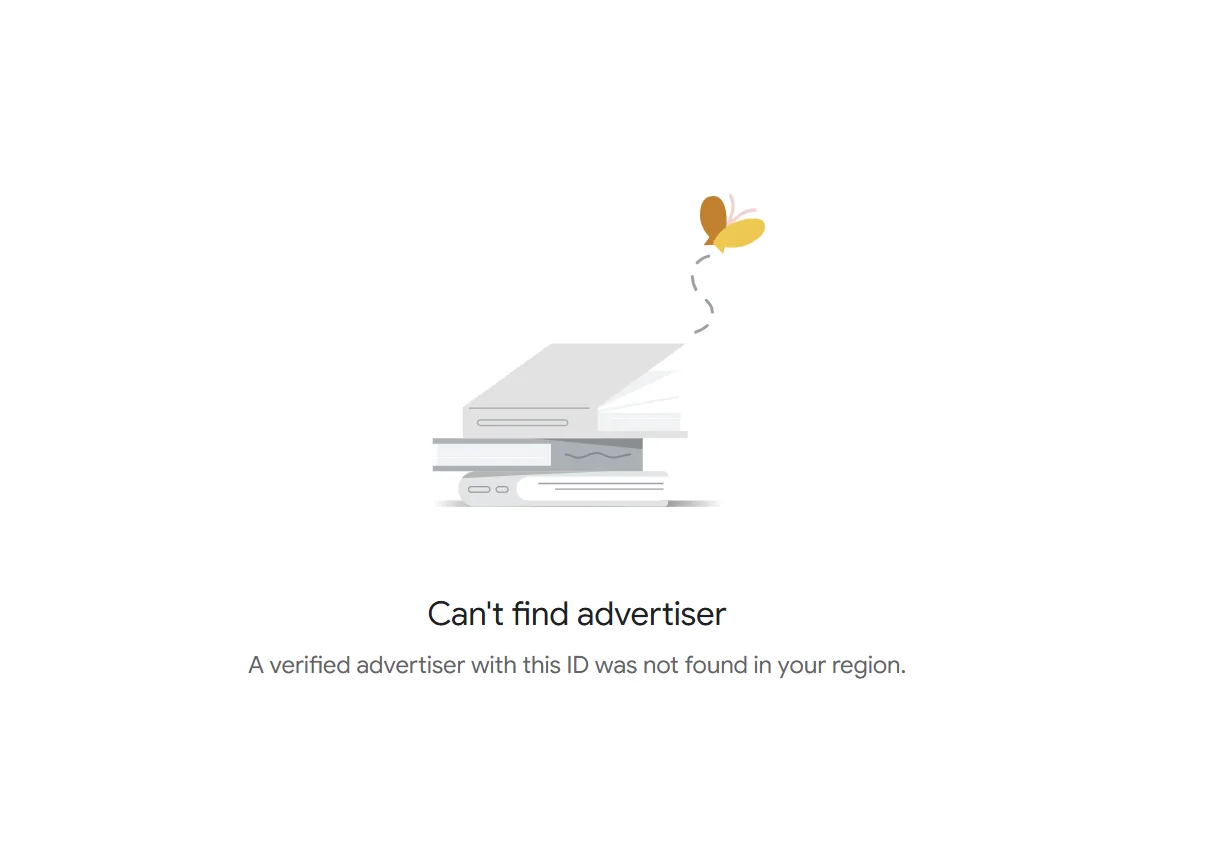
Again, whoever was behind the campaign was well hidden. One of the few leads came from Google Ads, which identified the payer as “Liliane Kaufman” in Belgium. It is unclear who Kaufman is, or what relationship she has to the campaign, or even if she is real. It is plausible that it was an appropriated Google Ad account.
Kaufman's name and the associated advertising archive disappeared from Google's Ads Transparency Center, even though the campaign's ads were still running. A number of other Belgian ad accounts were also promoting Lebanon-focused content.
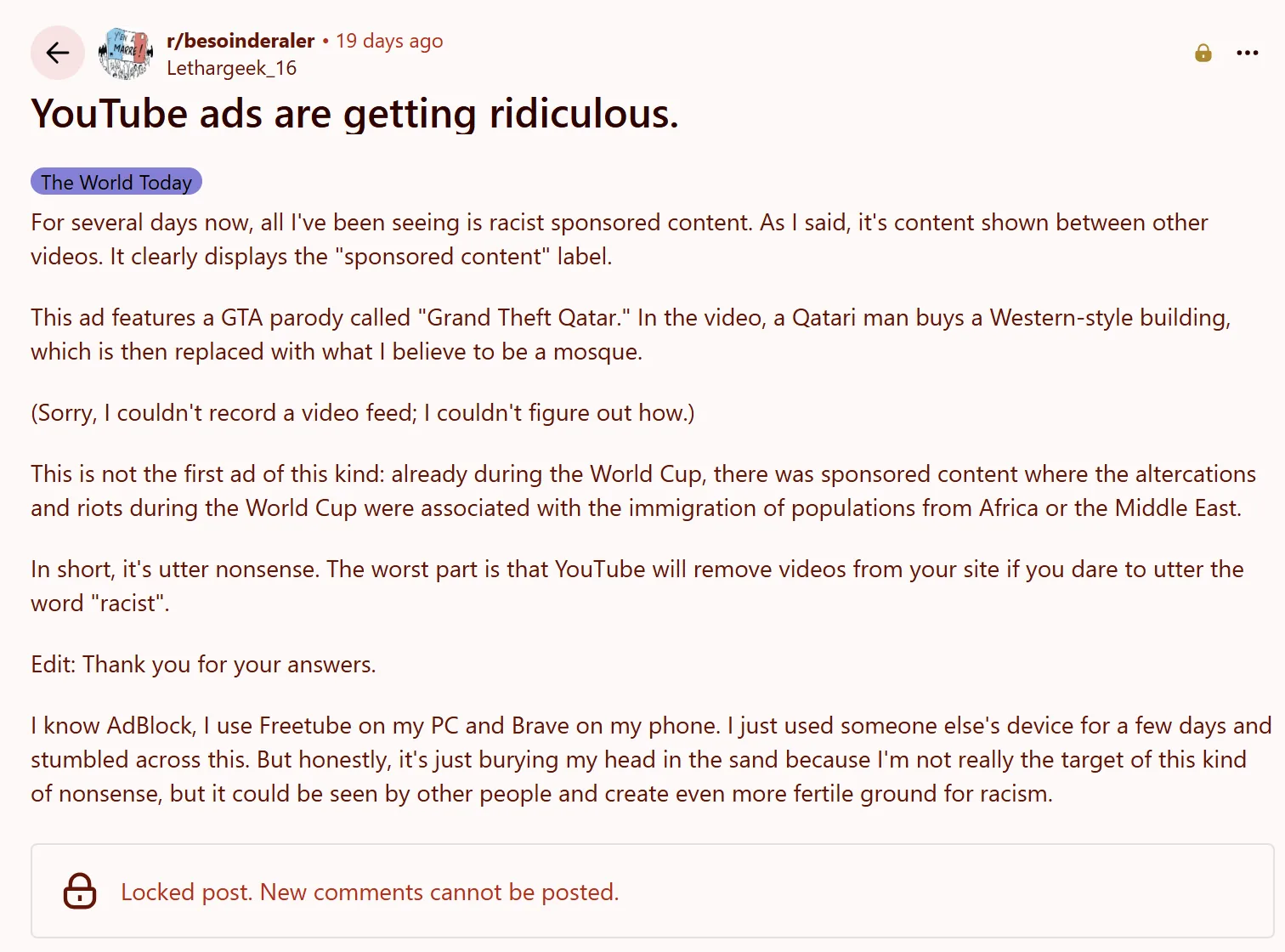
Capitalising on anticipation around Grand Theft Auto, a new channel called “Grand Theft Qatar” was launched, promoting videos across the web, YouTube, Facebook and TikTok. The videos featured references to the Ceuta Crisis in Spain, riots in France, and continued with the erosion of women's rights and mosques replacing churches in Europe.
As summer approached, another campaign appeared: “Euro Summer Fest”. Its videos warned that Muslims were replacing “European” values, wrapping anti-Muslim messaging in the aesthetics of a summer festival. The bizarre aesthetic was described by one Reddit user who saw the ad as 'ominous', like 'a chill runs down my spine'.
Qatar Is Responsible”, “Grand Theft Qatar” and “Euro Summer Fest” were all promoted through TikTok ads, collectively accumulating millions of views. The ads primarily targeted France, Germany and Italy, with some also appearing in the United States.
Reddit users began discussing the campaigns too. Some noticed the limited sponsorship information attached to YouTube and Google ads and started following the names. Several trails led to South America, particularly Brazil.
The names included Idezita Maria de Oliveira, Patrick de Oliveira Mendes, Social Media para Empresa LTDA and Agência de Tráfego Pago LTDA. Facebook records also identified Larissa Fernanda Pereira Padilha. There were others too. Social Media para Empresa LTDA, Agência de Tráfego Pago LTDA and Larissa Fernanda Pereira Padilha are all associated with CNPJ numbers, the identifiers used to register Brazilian businesses and other legal entities. Yet several have little or no obvious digital footprint. Some of the ads were funded by entities with names like 'Corp MJJA', or 'Muhan', which, as on Facebook Ads, aren't hyperlinked and cannot be traced to websites or real-world entities.
But the Brazilian trail did not end there. Social Media para Empresa LTDA and Agência de Tráfego Pago LTDA shared contact or personnel details with Agência Moll, an established advertising agency in São Paulo. Employees from Agencia Moll claimed that they were winding down operations and in the process had sold their advertising accounts to an unknown user on Facebook, who then used the accounts for the campaign.
The same Brazilian advertising trail also appeared around content targeting Lebanon. These campaigns promoted channels such as “We Don't Want You on Our Border” and largely blamed Iran and Hezbollah for the destruction of southern Lebanon, including through the sarcastic slogan “Thank You Iran”.
There was another complication. As with the Liliane Kaufman case, some advertisers appeared under more than one Google advertiser ID. It is unclear whether this is simply a feature of Google's advertising system or whether it has the effect of making the campaigns harder to track.
On TikTok, another set of advertisers appeared. The ads were associated with entities called Alemira, Goge and NovaTech Solutions GmbH, all listed as being based in Germany.
The payer information offered little clarity. In some cases, the declared payer was simply “Iran” or the name of the campaign itself. It remains unclear whether Alemira, Goge and NovaTech Solutions GmbH are genuine operating companies, intermediaries or simply names being used to place the ads.
A further investigation revealed that the Wikipedia edits made in 2024 were actually part of a sockpuppet network called TronFactor. Despite using Germany proxies, an interleaving error revealed a static, likely non-proxy IP address that traced the sockpuppet network to Israel.
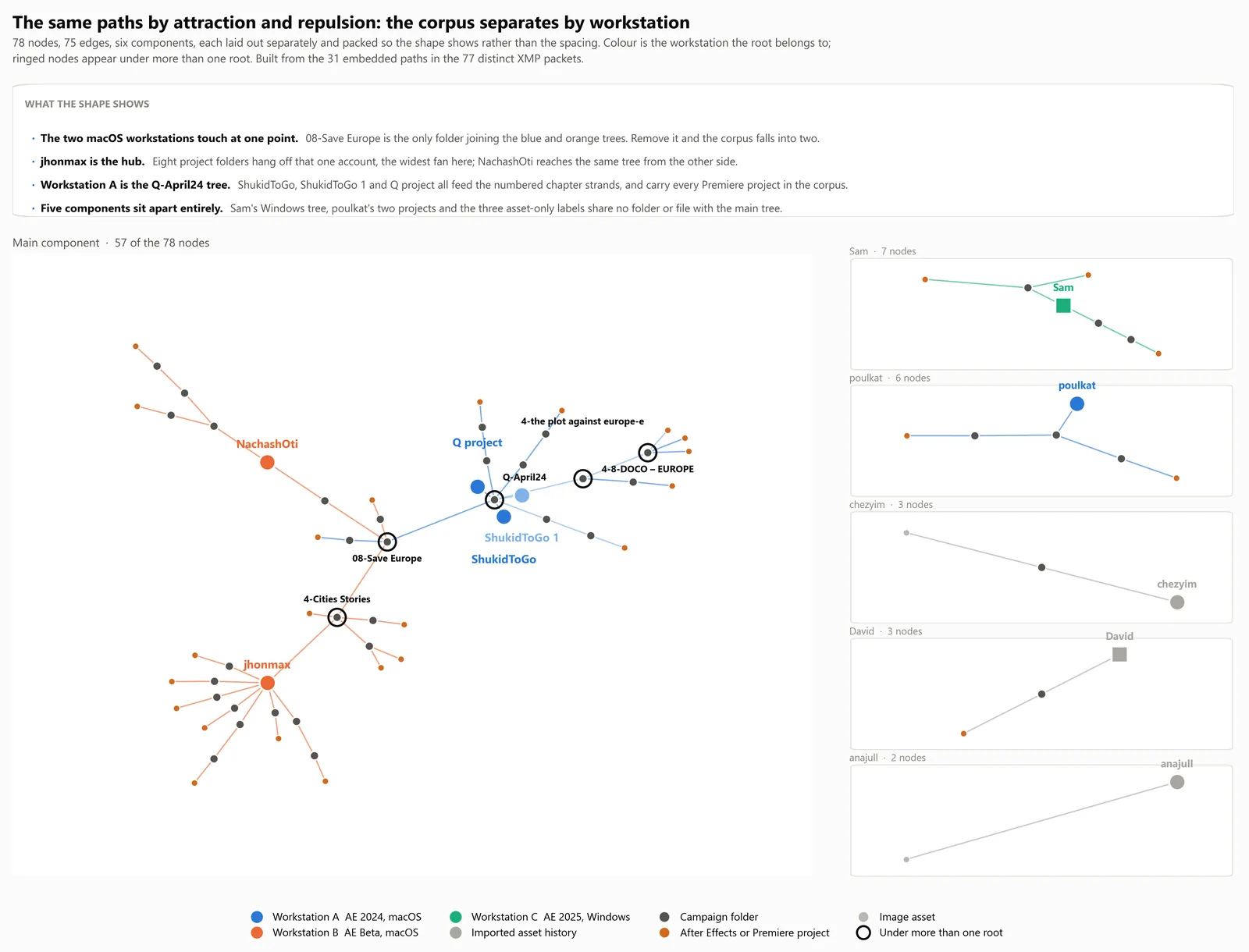
A forensic analysis of 78 videos published by the “Made in Qatar” Telegram channel revealed unusually detailed traces of the production environment behind them. They showed a Sunday-to-Thursday working week, concentrated during daytime hours in a UTC+3 timezone, matching the end of daylight-saving time in Israel and parts of Europe. The files also contained Hebrew-language labels and revealed links between projects across different machines and storage volumes. Taken together, the metadata pointed strongly toward an Israel-based professional production environment, while stopping short of identifying the company, client or commissioning entity.
The ultimate sponsor of the operation remains unknown. Google Ad accounts in Belgium and Brazil have been deployed, but at least in one instance the ad agency denied knowing about the campaign. The Vietnamese company claimed they were approached anonymously on telegram.Leads have pointed to JDA Worldwide, an Israeli IP address, and an Israeli production environment. Three years after the first billboards appeared in Lebanon, the operation is still running. It has accumulated more than half a billion recorded exposures, carrying anti-Muslim and anti-migrant propaganda across continents. Accounts have disappeared, campaign names have changed and new advertising intermediaries have emerged. Exposure and takedowns have failed to stop it. Its persistence reveals a profound failure of accountability: someone has been able to spend years buying an audience for racist conspiracy theories through some of the world’s largest technology companies, while keeping their identity hidden. Please read the full report on the website and browse the media content.